A place of faith, reflection, and spiritual peace
Receive a daily Bible verse straight on your phone.Don’t have the app? Download YouVersion for free.
Saturday Vespers: 4:30 PM – 5:15 PM
Sunday Holy Mass: 8:45 AM – 11:00 AM
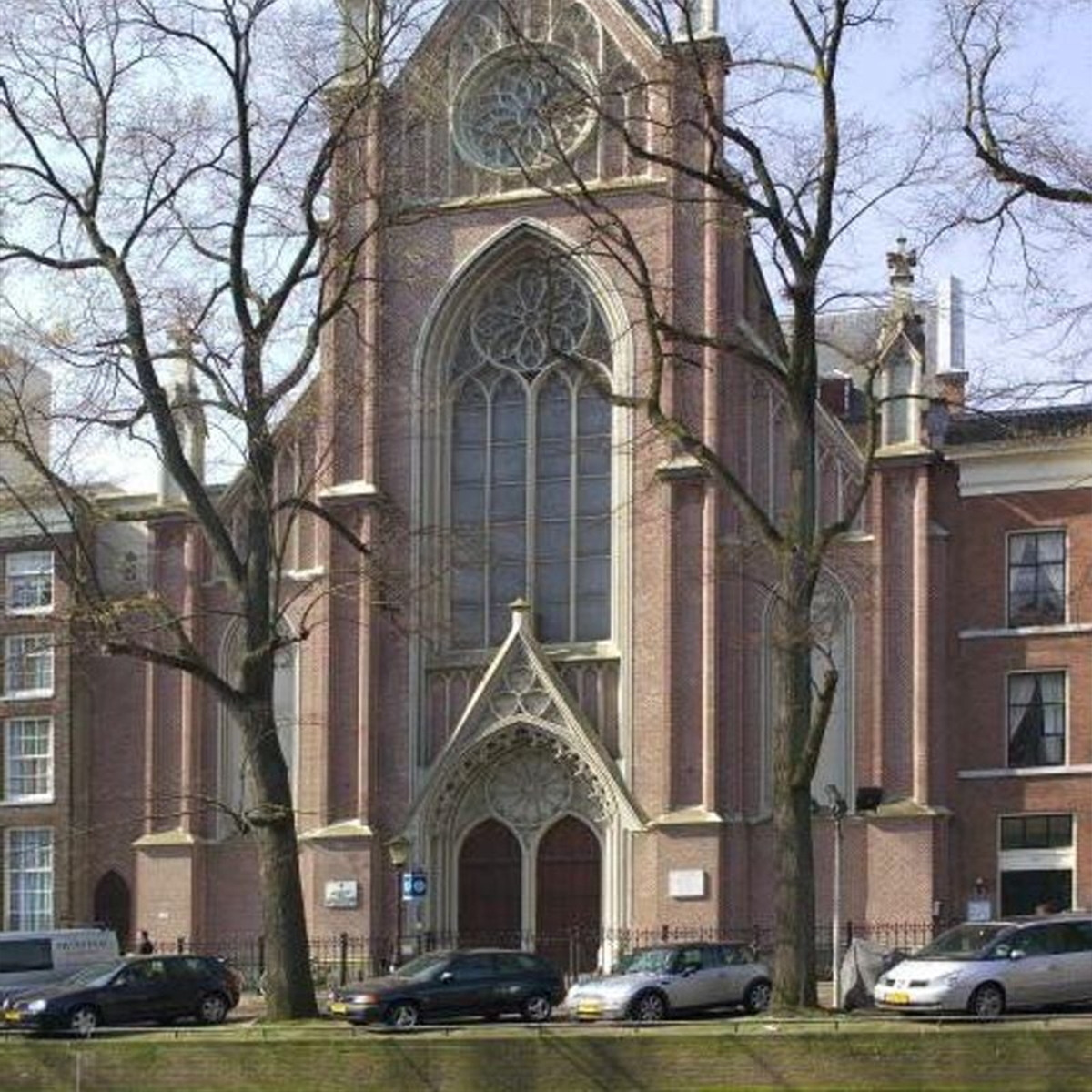
The Church of the Immaculate Heart of Mary, officially known as the Church of Our Lady and popularly called the Mother of God Church (Syriac: ܥܕܬܐ ܕܝܠܕܬ ܐܠܗܐ, Ito dYoldath Aloho), is a neo-Gothic church building located at Keizersgracht 220 in Amsterdam. The church is owned by the Syriac Orthodox Church of Antioch and is still used today by multiple faith communities.
The Mother of God Church was founded as a chapel attached to the monastery of the Redemptorist Fathers at Keizersgracht 218. This monastery was one of the first monasteries established in Holland since the Reformation and was consecrated on 5 November 1850.
The first stone of the church, which was built next to the monastery, was laid on 18 April 1853. The church was put into use on 21 November 1854. Construction took place during the period 1852–1854.
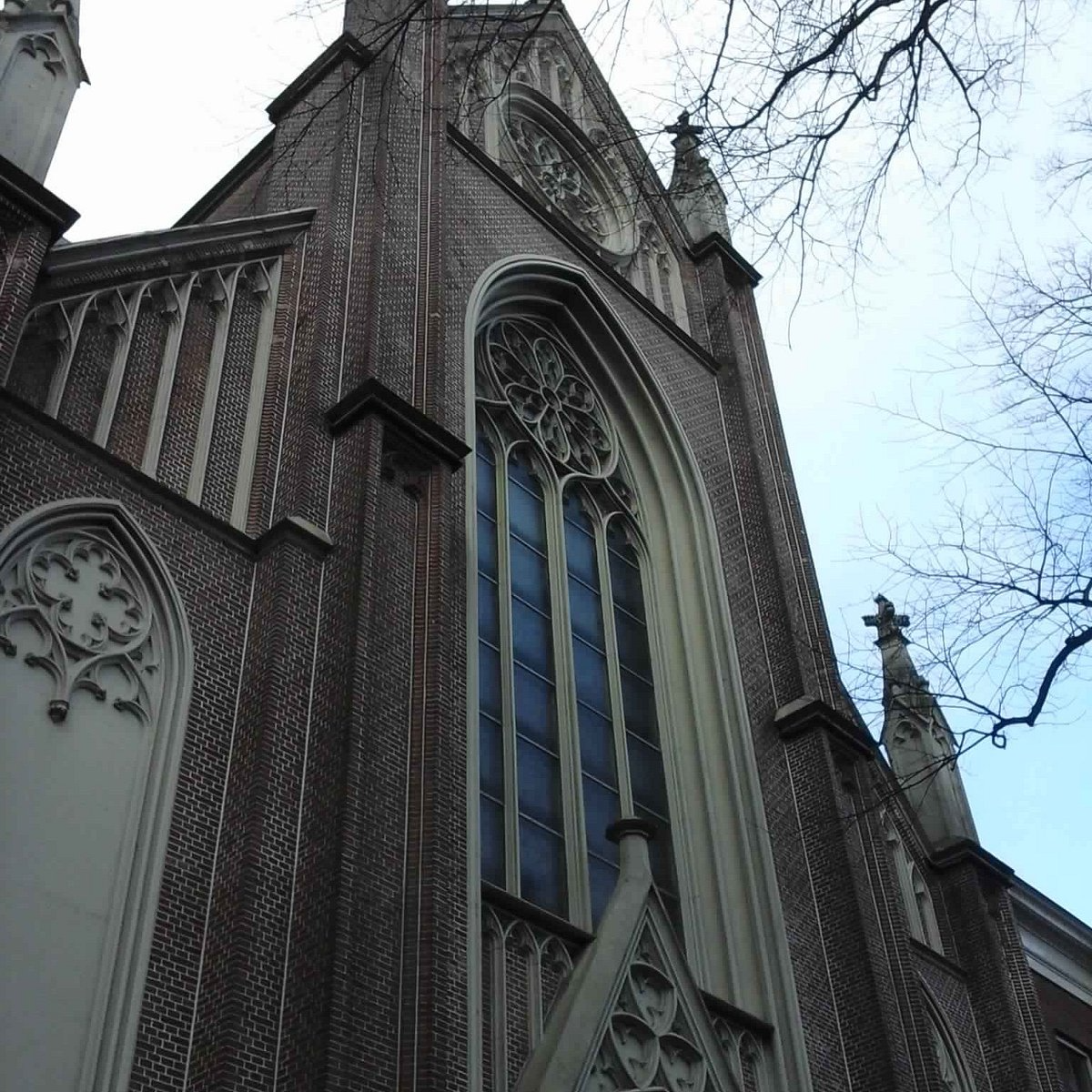
The church building was designed by architect Theo Molkenboer and executed as a non-oriented cruciform basilica in neo-Gothic style. The church is regarded as a highlight within Molkenboer’s oeuvre and forms a striking example of neo-Gothic church architecture in Amsterdam.
Preserving, living, and passing on the apostolic faith tradition through liturgy, prayer, and devotion is our mission, whereby we are a living church that connects tradition and contemporary context. With special attention to youth, service, and respect.
In 1989 and 1990, the Syriac Orthodox Church commissioned inspections by an engineering firm to assess the structural condition of the building. Years of penetrating moisture had led to severe deterioration of the construction. In particular, the roof and façades were in poor to very poor condition, and in some places dangerous situations arose for churchgoers and passersby.
In order to preserve the church for present and future generations, a decision was made to undertake a major restoration. The work began on 17 January 1994.
After more than a century of Catholic prosperity, a strong decline in religious life also occurred in Amsterdam. The decreasing number of Redemptorist Fathers and Brothers, as well as the limited influx of priests, led the Redemptorists to end their activities at Keizersgracht.
In 1984, both the church and the monastery were sold. In May 1985, the church was purchased by the Syriac Orthodox Church of Antioch. Because the Syriac Orthodox community was financially unable to acquire the monastery as well, it came into the hands of a real estate company.
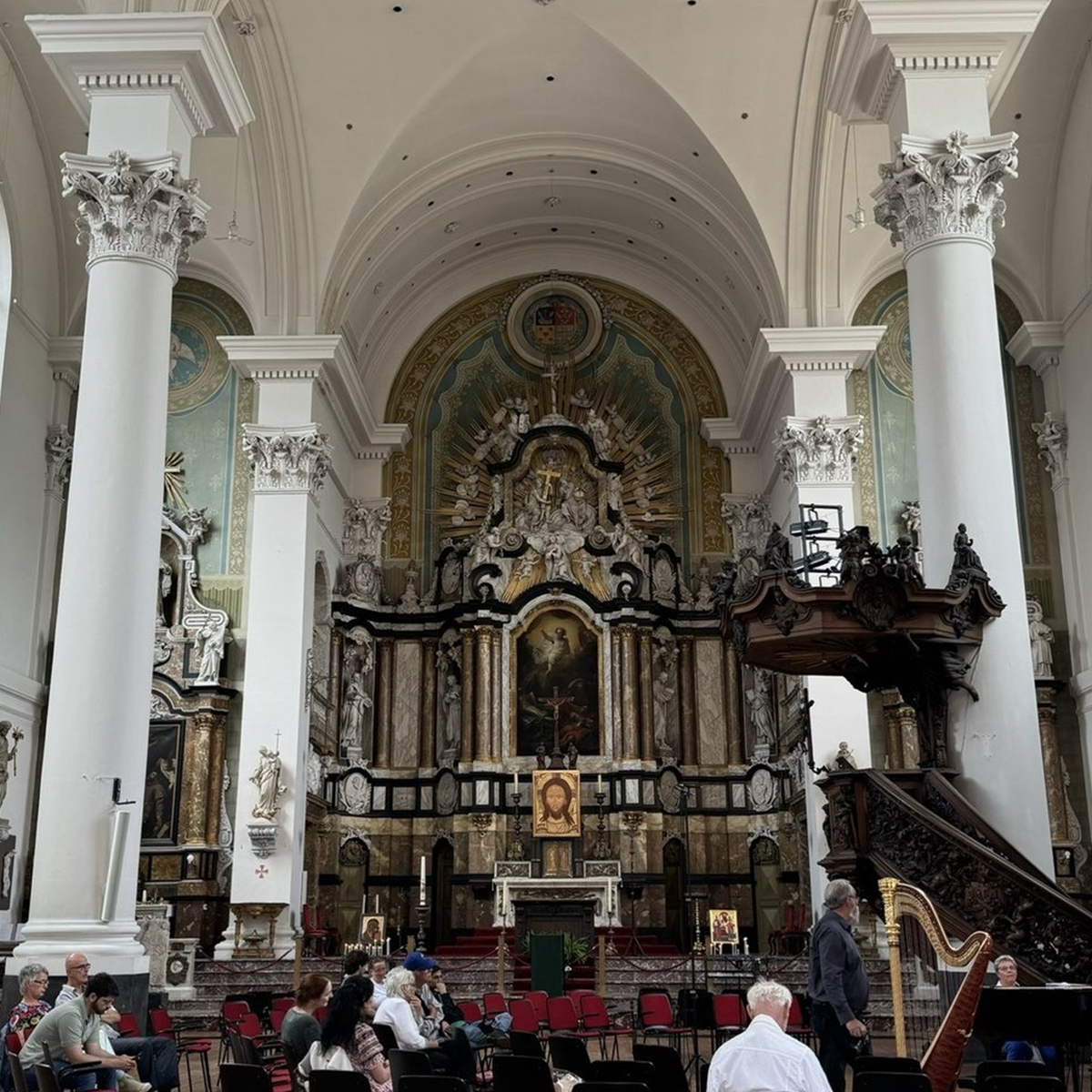
For the restoration of the wall and ceiling paintings, an innovative computer technique was developed. Based on photographs of the original representations and motifs, machine-cut stencils were produced. These made it possible to accurately reapply the decorations to walls and vaults.
The restoration work was completed at the end of 1996 and the beginning of 1997. During this period, the church was visited by the late His Holiness Mor Ignatius Zakka I Iwas, Patriarch of Antioch and all the East.